
This is the first topic in Module 3 of Hayven's therapist training curriculum, Conducting Effective Child Assessments. The goal of this module is to teach you how to approach assessment systematically; by the end of it, you should understand the assessment process from intake through interpretation and reporting.
Assessment quality is often determined before the child ever enters the room. Preparation reduces error, saves time, and helps the family feel that the process is organized and trustworthy.
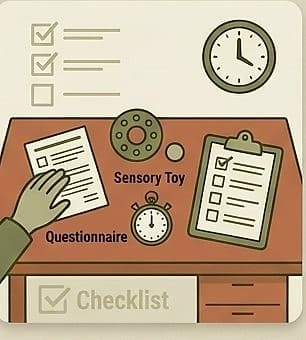
Good preparation includes reviewing all available background information first -- prior records, referral notes, screening results, and any questionnaires the family has already completed. Many clinics send caregivers a developmental and background questionnaire before the first visit specifically so this information is available in advance rather than needing to be reconstructed verbally in the room (Yale Medicine, "Pediatric Psychological Assessment").
Preparation also means clarifying the referral question before you start. "The parent is concerned about behavior" is too vague to guide an assessment; "the parent is concerned that the child does not respond to their name and has stopped saying words he used to say" is specific enough to shape which tools and questions you prioritize. If the reason for referral is unclear, it is entirely appropriate -- and important -- to clarify it with the referring source or caregiver before the assessment begins.
Practically, preparation also covers logistics that affect data quality: choosing a time of day when the child is not likely to be overtired or hungry, setting up a space with an appropriate balance of toys/materials (enough to observe play and engagement, not so much that it's overstimulating), and deciding in advance which specific tools, checklists, or questions you plan to use so the session has structure rather than becoming an unfocused conversation.
Finally, prepare yourself to separate roles clearly: decide what will be gathered through parent interview, what will be gathered through direct observation of the child, and what (if anything) will be gathered through standardized testing. Having this structure in mind before you begin prevents the common new-therapist mistake of trying to do everything at once and ending up with a session that is thorough in no single area.
Practical takeaway: Never walk into an assessment "cold." Review the file, clarify the referral question, and decide your structure (interview, observation, tools) in advance.
This guide is general information, not a diagnosis or medical advice. If you're worried about your child, the next step is a conversation with a qualified therapist.
Keep reading

More for your practice
Structured courses with completion tracking live in your therapist dashboard.